Replacement and no-drawing work
Reverse engineering plastic parts
Worn, broken or obsolete, with no drawing? The part itself is enough to start. We document its critical dimensions and features, then machine the replacement in our own shop, in engineered plastics, aluminum, brass or bronze.
- Starting point
- No drawing
- The part itself can start the review
- We capture
- Documented
- Critical dimensions, tolerances and geometric features
- Critical dimensions
- ±0.002"–±0.005"
- Depending on the plastic
- Reorders
- Kept on file
- Part specifications and CAD files maintained for future orders
Reading a worn part
Measured past the wear
Copy a worn part exactly and you copy the wear. So we treat each kind of feature differently. Pick one to see how.
How we handle it
Worked from directly
Features that still hold their original shape, such as an untouched face, an unworn bore or a mounting pattern, are measured and used as the reference for the rest of the part.
How we handle it
Rebuilt, not copied
Worn edges, flats and chipped or missing sections aren’t reproduced as found. We rebuild them from the features around them, a mating part or an old print.
How we handle it
Identified, not repeated
Field fixes such as filed edges, drilled-out holes, shims or patches are identified, so a repair isn’t machined into the new part by accident.
How we handle it
Checked against what it fits
Shafts, bores, mounting and mating faces are documented with care and checked against the parts they fit when those are available.
You, or your equipment’s specification, decide what the replacement has to meet.
Machined in Aurora
The replacement, made properly
±0.002"–
±0.005"
On critical dimensions, depending on the plastic. Held to the dimensions we documented and you confirmed, not the worn ones.
-
Machined to what’s confirmed
The documented, agreed dimensions go to the machine, so the replacement fits the way the part was meant to.
-
Material from the facts
We work from the known grade, or suggest suitable plastics for how the part runs. Aluminum, brass and bronze parts too.
-
Milled or turned in-house
Six CNC mills, five turning centers and an engine lathe, all under one roof in Aurora.
Parts we reproduce
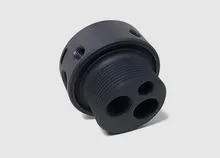
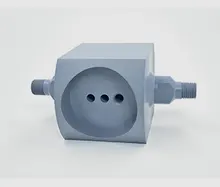
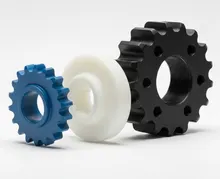
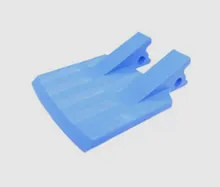
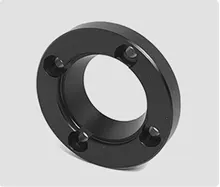
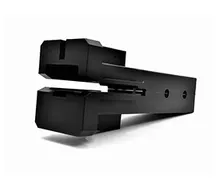
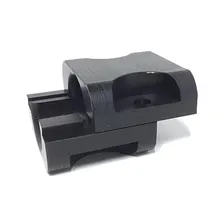
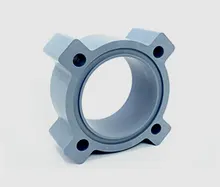
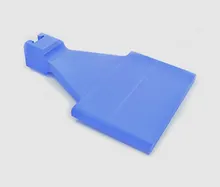
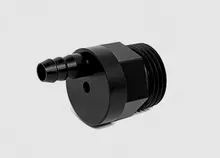
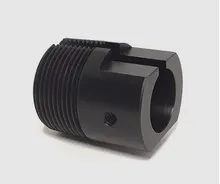
Common replacement parts
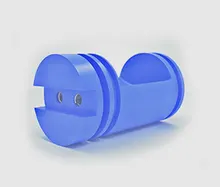
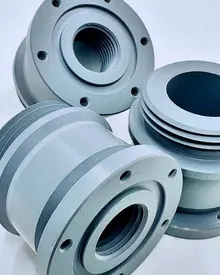
Getting a quote
Start with what you have
Any one of these is enough to start a replacement quote.
The old part
Send the old part and we’ll work from it.
Useful if you have it
- What it fits on or in
- Why it’s being replaced
- The material, if known
- Quantity
Drop it off or ship it to our Aurora shop. Let us know it’s coming so we can match it to your request.
An old drawing or part number
Send the print or number, with the part if you have it.
Useful if you have it
- Revision, if known
- Anything changed since
- Quantity
Upload files with your quote request.
Photos and measurements
Send what you know. We’ll ask for the rest.
Useful if you have it
- Photos in place and of the wear
- Main dimensions
- Quantity
Upload files with your quote request.
Buyer questions
Reverse engineering FAQs
Something else? Call (630) 904-2525.
We machine to the dimensions we document and you confirm. Fit and performance depend on your equipment, so each project is reviewed with you before we quote.
Not from the part alone. If you know the grade, we’ll work to it. If not, tell us how the part runs and we’ll suggest suitable plastics.
Drop it off or ship it to our shop at 3682 Prairie Lake Ct., Unit D, Aurora, IL 60504. Let us know it’s coming by phone or with a quote request, so we can match it to your project.
Yes, in the materials we machine: engineered plastics, aluminum, brass and bronze. We don’t machine steel or stainless.
Yes. We machine from a single replacement to recurring production runs.
Standard quote
Have the part in hand?
Experienced help from your first quote to the finished part.